


Oomer Library
The Oomer Library, a historic and distinguished center of knowledge in Oomerabad, reflects the vision, dedication, and refined taste of the Jamia’s leaders.
Establishment and DevelopmentThe library was initially established through the dedicated efforts of Kaka Mohammed Ibrahim (may Allah have mercy upon him), the second son of the founder of the Jamia. He personally prepared the architectural design, and the construction of the building was completed in 1930. The structure stands as a beautiful reminder of his aesthetic taste. As Maulana Habeebur Rahman Aazmi Oomeri described, “It is the Koh-e-Noor of Oomerabad’s crown of knowledge.”
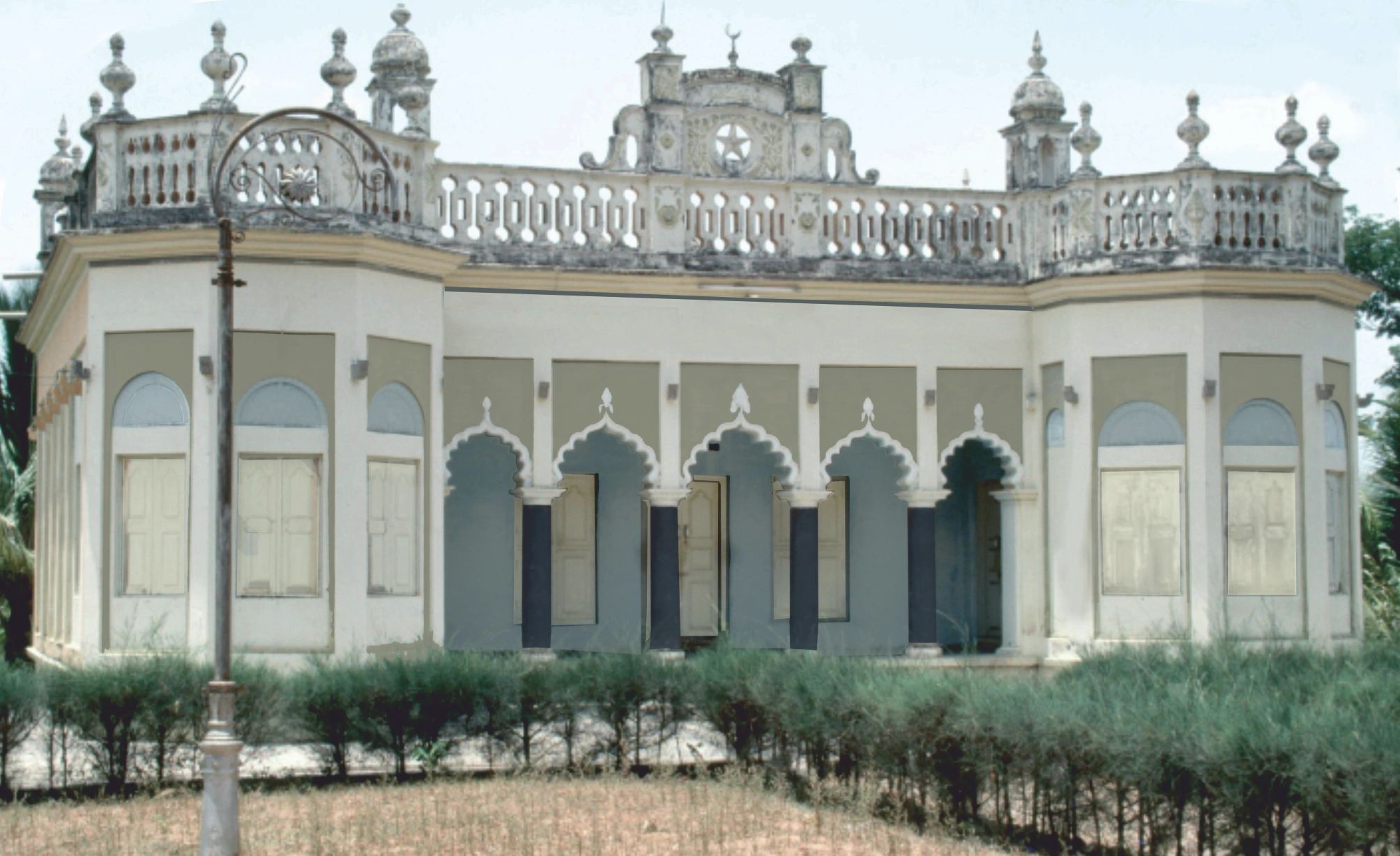
To enrich the library, Kaka Mohammed Ibrahim traveled extensively to distant cities, visited renowned libraries, and collected important works. Upon returning from Hajj, he brought with him a handwritten manuscript of the important Hadith work Zawa’id Ibn Hibban, which remains preserved in the library to this day. Through his tireless efforts, the Oomer Library became one of South India’s most distinguished libraries, housing thousands of valuable books in Arabic, Urdu, Persian, English, and Tamil. Over the years, countless individuals have benefited from it, and many scholars emerged under its influence, contributing significantly to religion, society, and the sciences.
With the growing number of students, the original library became insufficient in space. Recognizing this, Maulana Kaka Sayeed Ahmed Oomeri (may Allah have mercy upon him), the General Secretary of the Jamia, led the establishment of a larger and more spacious library behind the Jamia Mosque. This project was completed in 1427 AH (2006 CE), reflecting both refined architectural taste and a vision for creating a peaceful, pleasant, and inspiring environment for readers and researchers.
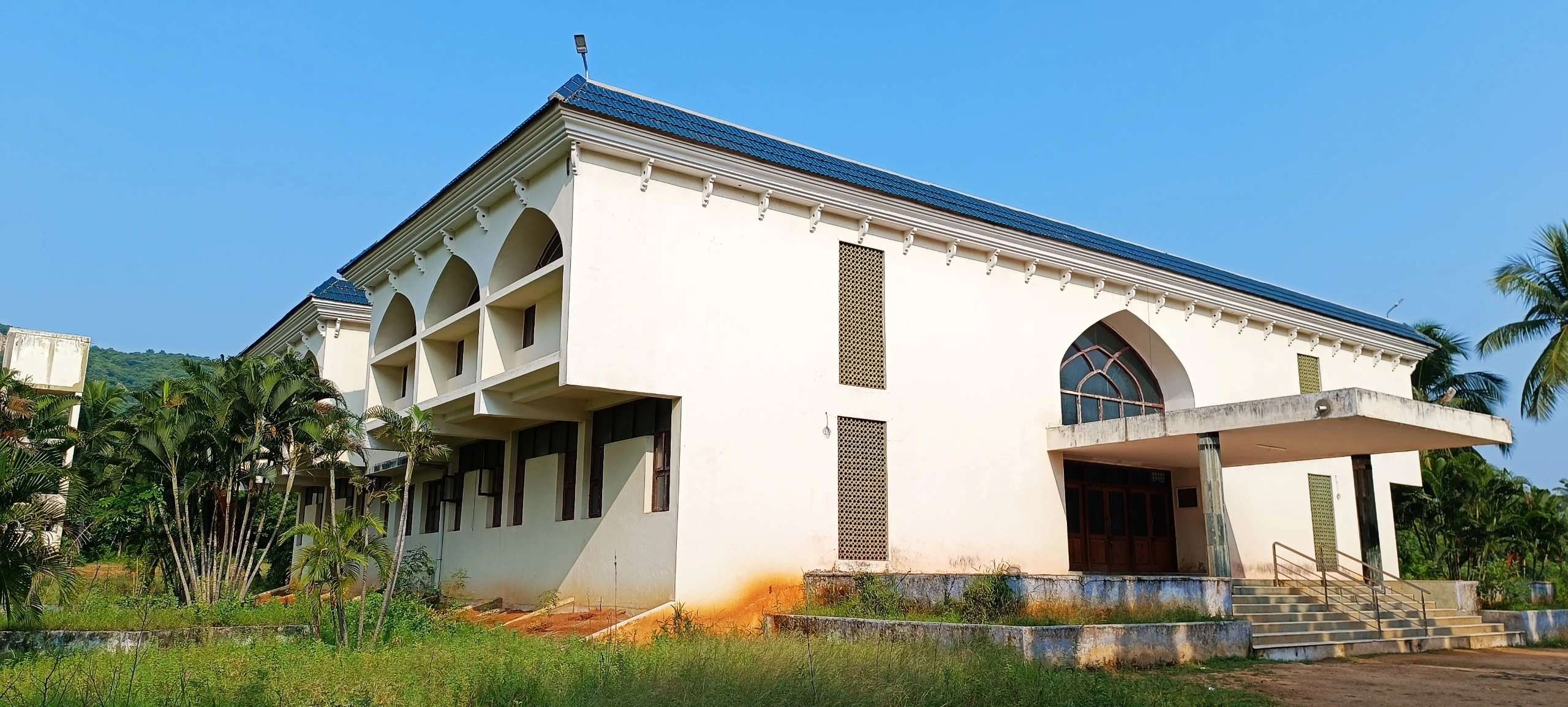
The new library houses all books from the old Oomer Library, while fragile and unusable materials are preserved as archival resources. It contains rare and valuable works across all major disciplines, including Tafsir, Hadith, Fiqh, Seerah, Aqeedah, Islamic sects, history, ethics, Tasawwuf, economics, political science, science, literature, prose, poetry, encyclopedias, dictionaries, and Arabic grammar. Researchers can also access extensive collections in English, Tamil, and Persian, including more than eighty classical and modern Qur’anic commentaries.
The ground floor is divided into three sections: one for Arabic books, another for Urdu books, and a central hall accommodating up to 120 students for study. Books are organized by language and subject, with each discipline assigned a classification number. All resources are fully computerized, allowing searches by title, author, subject, publisher, or accession number, and subject-wise catalogs are regularly updated as new books are added.
Recognizing that all major academic achievements depend upon libraries, the Jamia has established several specialized libraries to ensure maximum benefit for students:
College Faculty Reading Room
A large room on the left side of the central Kulliyyah building is dedicated to reference books for teachers. With permission, students may also benefit from these resources.
Al-Hilal Library
This library serves students of the Thanawiyyah stage. It contains age-appropriate books in Urdu and Arabic, including Qur’anic studies, Seerah, biographies, history, science, geography, dictionaries, and storybooks designed to cultivate reading interest among younger students.
Al-Balagh Library
After the construction of a separate residential complex for Kulliyyah students following the Golden Jubilee, a dedicated library named Al-Balagh was established. It opens daily after Asr and Isha prayers and is managed by students under faculty supervision. The collection includes works on Tafsir, Hadith, Fiqh, history, Seerah, economics, Islamic research, science, travelogues, literature, prose, and poetry, with books in Urdu, Arabic, and English. Students of I‘dadi, Alimiyyah, and Fazilat levels benefit from this library, with books issued for up to one week.
Dar al-Mutala‘ah (Reading Room)
Since its inception, the Jamia has subscribed to newspapers and academic, literary, cultural, and religious journals in Arabic, Urdu, English, and Tamil. Managed by students under faculty supervision, the reading room opens daily after Asr and Isha prayers, allowing students to read newspapers and journals of their choice.
Additionally, language societies within the Jamia maintain small libraries for Tamil, Telugu, Hindi, Kannada, Bengali, and English. These collections are limited and require further expansion.